Lower GI Pain and Discomfort? Try this!
Suffering with any kind of digestive ailment (whether chronic or acute) is never any fun… and for those of us that have to make multiple bathroom trips daily (understatement), we feel another level of discomfort tied to that. Unfortunately, there’s not a ton of remedies out there today that effectively reduce pain or inflammation in that “extra sensitive” area. And in case I am being too vague, it’s your butt… your butt (or rectum) needs extra attention. If you have ever had persistent inflammation and agitation then this post is for you. This at home recipe is going to be especially valuable for those with Crohns or Ulcerative Colitis than are trying to get healing progress wherever they can find it.
My personal story with digestive discomfort comes in the form of Ulcerative Colitis, which causes me to make a lot of restroom trips during the day. At its worst, I was taking about 15+ trips a day, but at the time of this article I am at a manageable 2 – 5 trips (and still improving!). You could call me somewhat of an expert on most things butt related (just to establish my subject matter expertise). Anyways, in more recent times I have been working with a health coach (specializing in GI issues) who turned me onto more direct care method for my backside and lower GI tract and I have seen pretty good results thus far. It makes sense after all, why take an oral supplementation an expect maximum impact on the lower GI tract? But why not address it directly and go straight to some of the localized inflammation?? The most effective way to heal areas in and around the rectum is going to be through enema or suppositories. However, enemas are a bit more involved and not for the faint of heart, so today we are going to cover creating your very own at home healing suppositories.
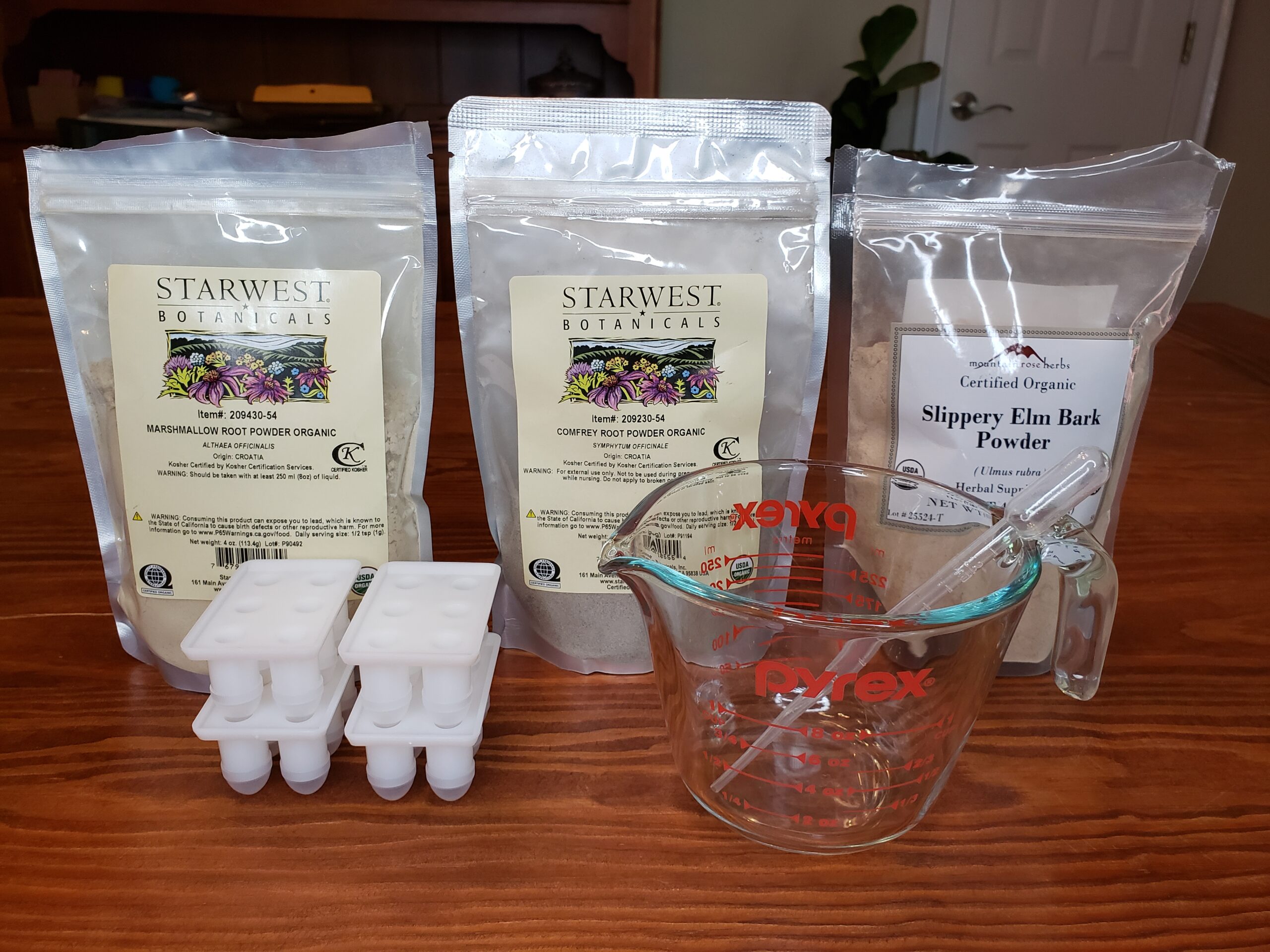
To make a proper healing suppository we need the right ingredients…. Introducing Comfrey Root, Marshmallow Root, and last but certainly not least Slippery Elm! This holy trinity of herbs is perfect for reducing pain and discomfort due to their healing and anti-inflammatory effects. So let’s take it from the top:
Comfrey Root
Comfrey root is an herbal supplement that also goes by the name of “knitbone” and is used for healing and treating all kinds of illnesses, injuries, and inflammation, whether external (cuts, sprains, or bruises) or internal (ulcers, gastritis, etc.). This makes comfrey an excellent choice in the treatment of IBS/IBD symptoms, as well as other digestive concerns. The key component to these healing properties of comfrey is allantoin, which has been shown to have soothing and anti-irritating properties. Allantoin accelerates the growth of certain tissues and improves the wound healing process. However, use caution when using comfrey internally as it can place a greater load on the liver, so be sure to talk with your doctor before using this herb too frequently.
Marshmallow Root:
Marshmallow leaf and root are used for pain and swelling (inflammation). This herb can be beneficial for GI issues by soothing diarrhea, ulcers, and constipation. Marshmallow is super beneficial to the GI tract as it forms a protective layer around the lining of gut. I personally have used marshmallow root for GI cocktails to help with acid reflux or gastritis and it gives somewhat immediate relief. I have also seen amazing benefits with Marshmallow root in reducing my overall Ulcerative Colitis symptoms. However, marshmallow contains a type of soft fiber called mucilage which can decrease how much medicine the body is capable of absorbing. So be sure to take any necessary medications with plenty of time apart (about an hour, when taking this orally).
Slippery Elm
Much like Marshmallow root and leaf, slippery elm is used for ulcers, burns, and general skin inflammation. It can also be taken orally for coughs, sore throats, diarrhea, and other GI issues. It also contains mucilage like marshmallow root so space out medications for this one too. Generally speaking, this herb is useful to anyone with IBS, IBD, GERD, or any GI concerns since it helps regulate the gut by coating the lining, adsorbing toxins, and reducing inflammation. It can also be used for increasing regularity when constipation is in play, but I have not noticed any speed up in transit time that would make my GI symptoms worse, only better.
Supplies:
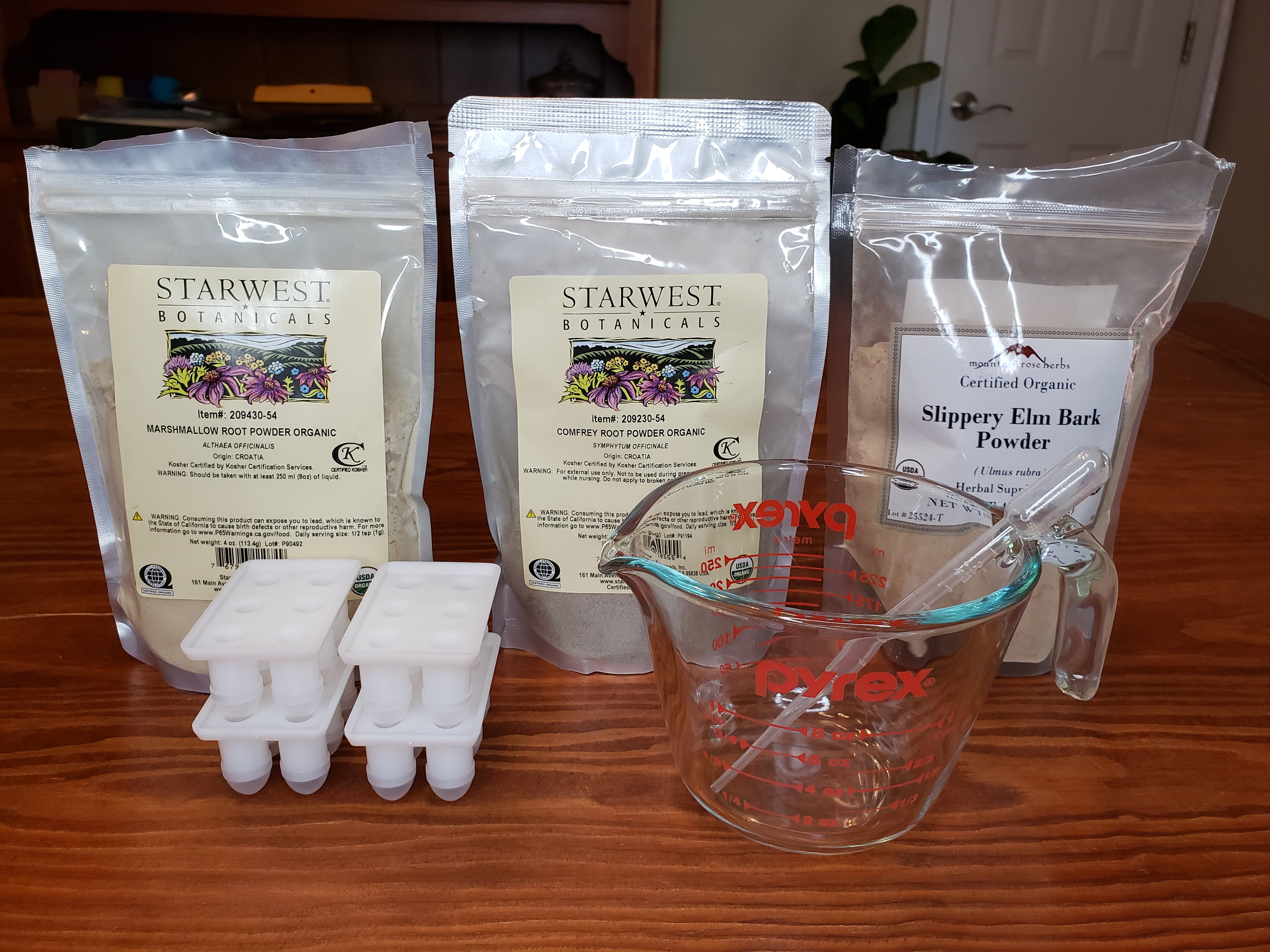
The majority of the supplies needed are not very pricey and will last you quite a bit of time. To get started you will need:
- Comfrey root powder
- Marshmallow root powder
- Slippery elm powder
- Suppository mold kit
- Measuring cup (that’s easy to pour)
- Cocoa butter
Instructions and Use
Step 1: Precleaning
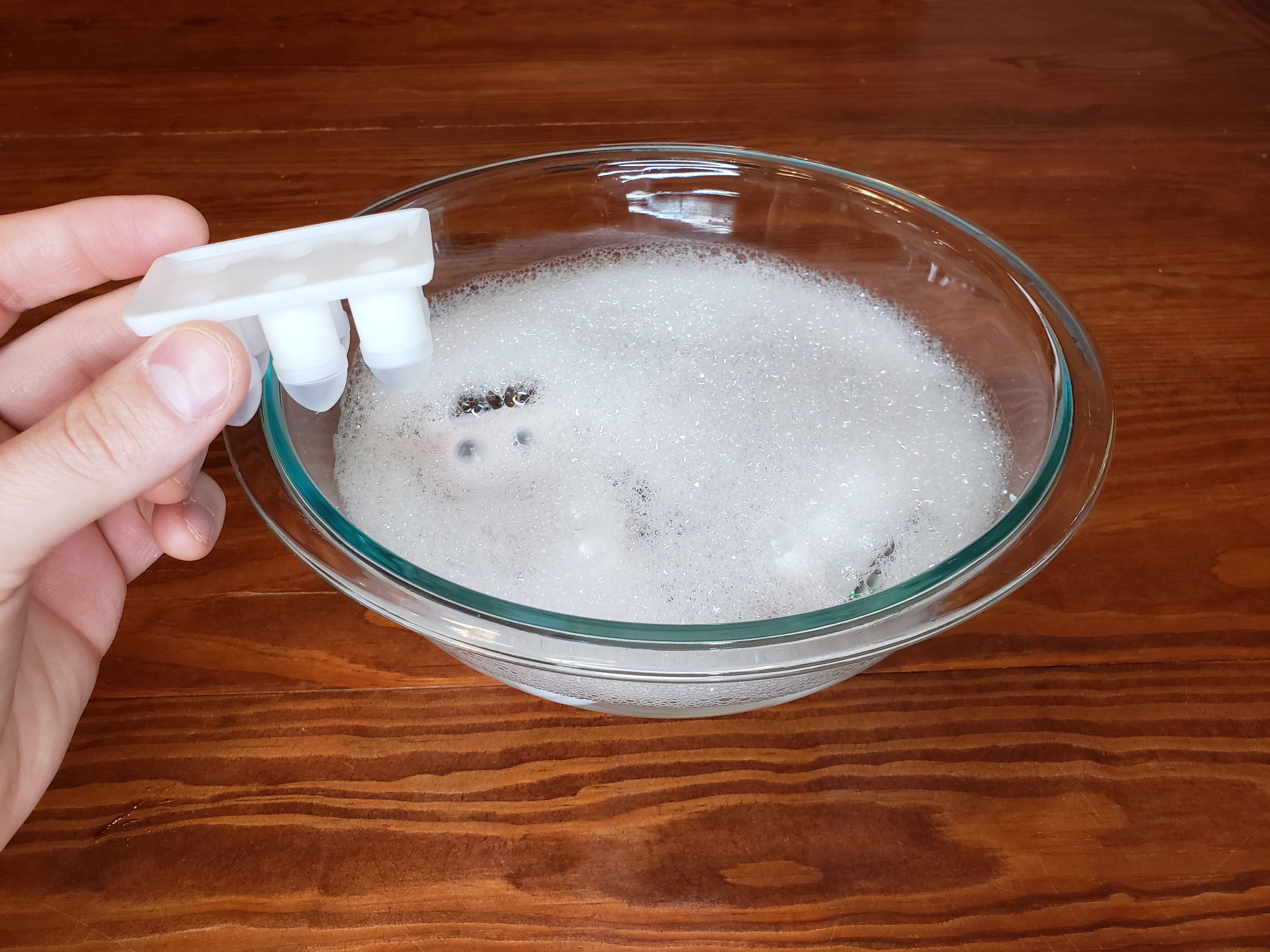
Since our suppository mold has not been used or properly cleaned before, start with a bowl of warm soapy water and drop the molds in for a quick rinse and clean up. Once you have swirled the molds around in the water and suds, lay out a clean dish towel and lay them out to dry. The same process goes for used ones but just use really hot water to help wash off the cocoa butter, or things can feel a little “greasy”.
Step 2: Melt Cocoa Butter
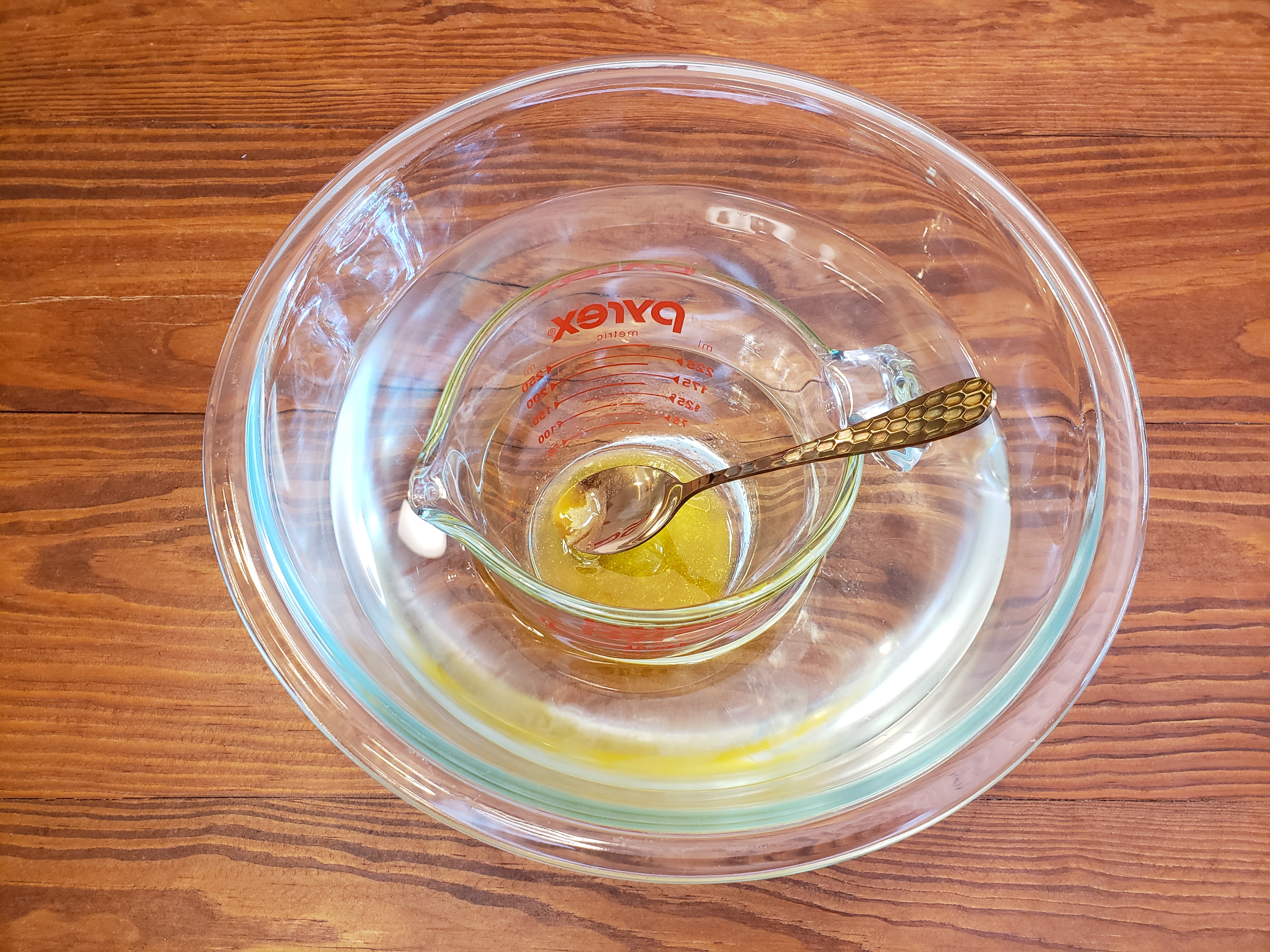
Next up, remove about 1 – 2 tbsp of cocoa butter from its bag (guesstimate or use a measuring spoon) and place into a glass bowl or measuring cup. Feel free to take some creative liberties with this step on the melting process, but I like to melt mine low and slow. I do this by submerging my bowl of cocoa butter into a larger bowl of hot water (leaving about half of my measuring cup still exposed). Obviously, don’t get the cocoa butter wet here, the idea is just to slowly raise the temperature so we don’t alter its molecular makeup too much. Of course this step can be sped up with a microwave, but just be careful not to overheat your cocoa butter and aim for just a few seconds of gentle melting.
Step 3: Add Healing Components
Once the cocoa butter has been fully melted we can start adding in our ingredients. In no particular order we will add the following:
- 1 – 2 tsp Comfrey Root Powder
- 1 – 2 tsp Marshmallow Root Powder
- 1 – 2 tsp Slippery Elm Powder
Mix all ingredients until smooth. If you notice your mixture starts to solidify, then reheat for just a few more seconds. We will need the mixture to be in a liquid like state when pouring into molds. Also, I have ranges listed so that you can add more of a specific ingredient if you think a particular herb or all herbs would help in a higher dose. However, I have found that about 1 tsp of each herb with 2.5 tsps of cocoa butter makes a nice consistency.
Step 5: Pour and Set
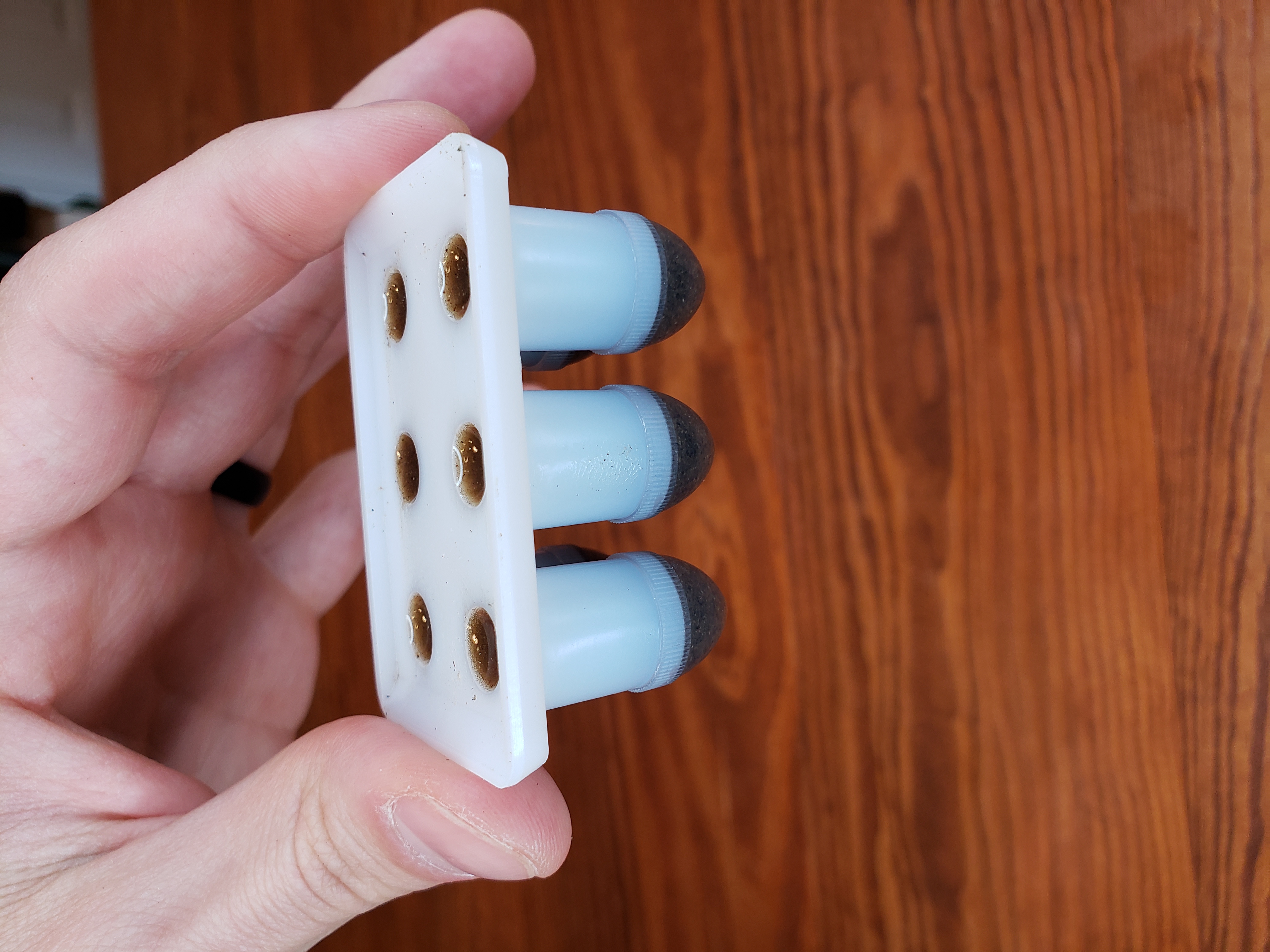
Now that we’re all mixed up, pour the mixture into the molds carefully and leave a little bit of room at the top. If you fill it all the way to the top that’s fine too, you just might have to do a little clean up with a paper towel (psssst…. I was a little messy my first time too, so it’s ok!).
Once you have filled up as many molds as you can, into the fridge they go! It takes about an hour for the suppositories to set up so set a timer for 1 hour and come back to remove them later. Be sure to remove them in about an hour as the longer they set, the harder they get.
TIP: Getting molds with easy removable caps can be really beneficial once the suppositories finally set and its time for storage.
Step 7: Storage
Once set and removed from the molds, you can use a Tupperware container, ziplocked bag, or anything else really. Just remember to try to keep them at room temperature since they will soften if they get too warm and may be a bit harder to dissolve if kept in the refrigerator.
Step 8 Use:
It’s pretty simple if you have ever administered a suppository before. If you have never had the pleasure of that experience, don’t worry I’ll break it down for you. The absolute best time to use these is going to be right after a bowel movement. As for the most comfortable way to administer… plan to have have a pack of medical gloves nearby for easy clean up, as well as some natural lubrication (like coconut oil) if necessary. The suppositories are bound together with cocoa butter so as long as you warm them up a tiny bit there should be no discomfort. Also, make sure you smooth out any rough edges on the suppositories, in case they broke out of the mold a little awkwardly. If you are experiencing extra inflammation the process may not be entirely comfortable, but that’s ok just do what you are comfortable with and try again when pain subsides.
Conclusion
To wrap things up – I hope that these healing suppositories can provide some comfort for you whether it is for an acute onset of unpleasant symptoms, continued IBS, or full blown IBD. Please remember that I am not a doctor and this is not medical advice. These are some of the remedies that have helped me in my healing process and thus I am sharing them with you. Always work with your medical practitioner to see if any medication, supplements, or therapies are right for you.
Leave a Reply