Introduction:
As a child in the 90’s I never once heard about family members, friends or relatives dealing with autoimmunity. However, it seems like every other person I meet in my adult life has some kind of mystery illness or has been diagnosed with a full blown autoimmune disease. It may not come as a surprise, but autoimmune disease has been on the rise for the last several decades and recent data (2017) shows that over 20 million Americans have now been diagnosed with autoimmune conditions. This was calculated to be a little more than 7% of the US population, which has more than doubled since my childhood (based on historical data from the 90’s). Assuming the current trends continue forward… we are on pace to quickly surpass 10%. Think about this for a minute, one in ten Americans will be diagnosed with an autoimmune condition in their lifetime. This is pretty insane when you look at the prevalence of autoimmunity in the past. But that’s not all, I have one more nugget to drop on you before we jump into the meat and potatoes of autoimmunity. Those with existing autoimmune conditions have a 25% chance to develop additional autoimmune diseases!! Crazy, right? But hold on… since these diseases have been diagnosed at a rapidly increasing rate surely the medical community has a better understanding of what causes them and how to effectively treat them… Well, not exactly.
Root Cause of Autoimmunity:
The traditional approach to western medicine (or “Allopathic” medicine) has been focused on symptomatic reduction for autoimmune suffers through the use of drugs like immunosuppressants (biologics and steroids) rather than racing to discover what causes these illnesses in the first place and how to prevent or mitigate them. If you ask any specialist or general practitioner of traditional medicine what causes autoimmunity, then they will all give you pretty close to the same answer. Our current healthcare system considers the disease to be Idiopathic, or of an “unknown cause”. They may also talk to you about genetics and how you are more likely to develop certain autoimmune diseases if a mother, father, grandparent, etc. was diagnosed with one.
However, integrative and alternative medicine doctors have spent a lot of time researching and speculating root causes for these chronic illnesses and have come up with some interesting thoughts on why they exist and how they can be treated. It can get pretty subjective when you look around for how root causes are categorized (when you leave room for interpretation, namely how some doctors and researchers want to bucket the information). But, more or less, the integrative and alternative medicine community has come to an agreement on most root cause concerns. Based on my research and curation of popular opinions, here are the top 5 causes of autoimmunity:
- Diet
- Leaky Gut
- Infection
- Toxins
- Stress
Sounds pretty simple when you break it down, right? Well, it goes a little deeper than this surface level list. These root causes are less of a one size fits all and more of a symphony that all comes together to create an environment where autoimmunity can be present. Let’s dive into each category and give a bit more context.
Diet:
We’ve all heard about how anti-inflammatory foods and antioxidants can help our bodies detox and function more effectively, but what about pro-inflammatory foods that are harmful to our bodies? The standard american diet (SAD) includes excessive amounts of sugar, saturated/trans fats, and refined carbs and ultimately is what makes the USA one of the most obese nations in the world. But beyond the poorly balanced macronutrients that most Americans get on a day to day basis comes a hidden danger sitting right under our nose… Gluten. Unless you have been living under a rock for the last 10 years, you have probably noticed that gluten free products have been popping up like crazy (and for good reason). Gluten is a protein found in wheat, barley, and rye which sticks to the intestinal lining and can cause damage over time to our mucosal lining (this is especially true for those with gluten sensitivity). In addition to gluten, dairy is also a known agent in digestive discomfort. Dairy sensitivity and intolerance is a pretty common issue nowadays due to our weakened guts and genetic make-up. Consuming pro-inflammatory foods (processed foods high in unhealthy fats, sugars, and other aggravants like gluten) creates an environment in our gut that slowly degrades our healthy microbiome and paves the way for opportunistic (unhealthy) bacteria and pathogens that love to feed on these SAD foods. This can create a state of dysbiosis in our gut microbiome overtime and lead to many different chronic disease states like pre-diabetic, full on type 2 diabetes, high blood pressure, autoimmunity, and much more.
Leaky Gut:
Leaky gut, or “Intestinal Hyper-Permeability” is a condition in which the tight junctions of our intestines become porous and allow for certain proteins, bacteria, toxins, and more to enter directly into the bloodstream. Once identified by our immune system as invaders, innocent bystanders (such as intestinal cells, thyroid cells, etc.) can be labeled accidentally as threats and autoimmunity can ensue. Leaky gut may allow for more systemic immune reactions as the protective layer leading into our bloodstream has been compromised. Leaky gut is present not only in autoimmune diseases, but in other chronic illnesses such as heart disease, high blood pressure, blood sugar issues, depression, and much more. The term “Leaky Gut” itself is thrown around a lot in self diagnosis situations and can be determined with decent accuracy through a series of medical questionnaires. However, there are also lab tests now available which can declare whether or not you truly have a leaky gut.
Infection:
It goes without saying that a major part of autoimmunity stems from the immune system itself. Untreated chronic infections create continuous strain on our immune system which can lead to a cascade of systemic issues and persistent inflammation later down the road. Typical infections can be viral, bacterial, parasitic, or fungal in nature and may also vary in viral load. Some practitioners and researchers believe that there is a direct link between certain autoimmune disorders and the unique infection itself. For example, Hashimoto’s is associated with Epstein Barr virus (EBV) and Cytomegalovirus (CMV), while Multiple Sclerosis is associated with EBV and measles virus. Another example is Rheumatoid Arthritis which has been linked with EBV and bacterial imbalances such as E-coli or mycobacteria. In addition, parasitic infections are most likely to cause digestive issues such as Inflammatory Bowel Disease (IBD) like Ulcerative Colitis or Crohns, and fungal infections like candida overgrowth can cause a whole host of systemic issues.
It is important to remember that even though each virus has its own indicators and risk factors for specific autoimmune conditions, it does not guarantee that the infected individual will develop full blown autoimmunity. Generally speaking, once chronic infections are cleared a majority of autoimmune symptoms can subside (assuming there is not an abundance of toxins, stressors, or other complications remaining).
Toxins:
In the modern world toxins are literally everywhere. Look at the food we eat, the products we clean our homes and treat our yards with, what we put on our skin, in the water we drink, in our teeth and more, the list goes on and on. These toxins put additional load on our livers, kidneys, and the GI tract to remove waste from our bodies. They can slow down and clog our lymphatic flow, interfere with hormone function, and can impair our immune system on a cellular level. Generally speaking, we can remove a majority of environmental toxins by substituting out some simple changes like organic foods vs. non-organic, or non-toxic household cleaners and personal hygiene products (toothpaste, deodorant, makeup, shampoo, body wash, etc.), removing BPA from the plastic products we use and much more. We can go pretty far down the toxin rabbit hole when we start to think about what we use for eating, sleeping, cleaning, driving, etc. However, when it comes to the root cause of autoimmunity, the major culprits seem to be heavy metal toxicity (like those from old school mercury dental fillings) and mold toxicity (mycotoxins) doing the most damage.
Stress:
Stress can come in many forms but is often expressed as physical or emotional. From what I have come to understand about stress, it is often not the true root cause of autoimmunity, but rather serves as a catalyst or a springboard into autoimmunity. Stress is actually a good thing (in smaller doses), as it allows our bodies to enter into that heightened flight or fight mode where we create more adrenaline preparing us for action! But prolonged emotional or physical trauma from stress can impact the body’s ability to fight infections, properly detox, and throw our hormones for a loop. This chronic state of stress could be the straw that breaks the camel’s back, especially if an infection is hanging around and our gut lining has been damaged by our inflammatory diets (or worse, leaky gut is already present).
Lab Testing and Diagnosis:
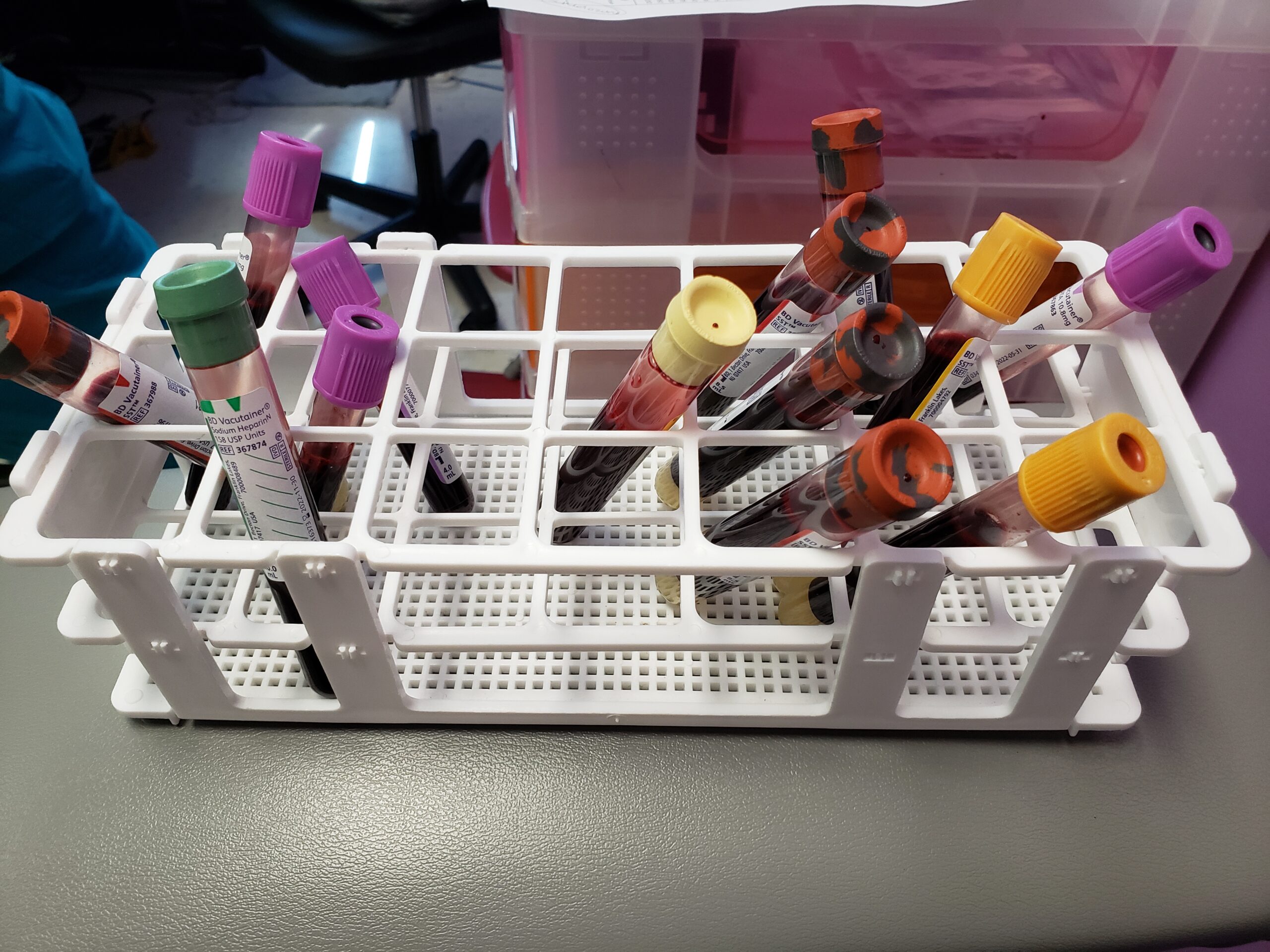
Most autoimmune conditions can be determined through simple lab testing (with a few exceptions). These same tests (whether inflammatory markers or immune system activity) can be good indicators of remission or exacerbation of the disease when retesting overtime. If you suspect that you have a particular autoimmune condition you can always work with your medical providers on running these tests to confirm whether or not autoimmunity is present.
On the other hand, root cause testing takes a bit more awareness, education, and specialization than most general practitioners have in their arsenal. This is where functional and alternative medicine comes into place. Functional medicine doctors utilize signals from the entire body rather than hyper focusing on a particular organ system like some specialists. Looking at hormones, blood sugar, stool tests, inflammatory markers, viral infections and more allow these practitioners to better identify the true root cause of disease.
Addressing the Root:
The only true way to overcome autoimmune conditions (and not just live with it) is to start at the root and correct the foundations of health. For some people this can be a relatively quick fix in a matter of months (assuming they are able to identify the true root cause and pursue corrective action), but for others this can take years to achieve full remission (as there may be multiple issues that need to be addressed).
As for myself, although I have not yet achieved full remission of my own autoimmunity (at the time this article was written), I have been able to significantly reduce my symptoms by purging parasitic infections, achieving better balance in my gut’s microbiome, removing inflammatory foods, reducing my external stressors, and seeking therapy to reduce symptoms associated with lyme disease. BUT… My healing process is a journey and not yet complete. My hope is to further reduce my symptoms and achieve full remission as I continue to address my own root causes. I wish that all of you battling chronic conditions and autoimmunity will be able to find your true root cause, so that you can start your journey toward wellness today! As previously stated, the views expressed in this article are not meant to be taken as medical advice. As always, please work with your medical practitioner on any diagnostic screening and treatment of any illnesses. Thanks for reading!
Leave a Reply